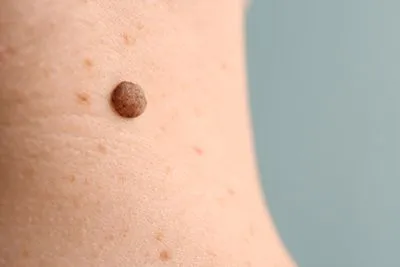
Moles are common skin growths that most people have somewhere on their body. And while most moles are harmless, it’s important to monitor them for any changes that might indicate a risk of skin cancer. At Catalina Dermatology in Tucson, Arizona, patients receive expert care from Ronald M. Mann, M.D., Troy Gustaveson, PA-C, and Ryan Reusch, PA-C. Whether you’re concerned about a new mole or want an old one checked, our team is here to help you understand what’s normal, what’s not, and what steps to take next.
What Are Moles and Why Do They Matter?
Moles, also called nevi, are pigmented spots that develop when clusters of pigment-producing cells grow together. They can be flat or raised, small or large, light or dark, and they often appear in childhood or early adulthood. While it’s normal to have dozens of moles, not all should be ignored.
The concern arises when a mole changes in size, shape, color, or texture, or if it starts to itch, bleed, or look different from your other moles. These changes may indicate dysplasia (abnormal growth) or the early stages of melanoma, the most dangerous form of skin cancer. Early detection can make all the difference, and that’s why skin checks are a routine part of dermatologic care.
Evaluating Moles: What to Expect
At Catalina Dermatology, mole evaluation begins with a close visual examination. If a mole appears suspicious, it may be photographed for monitoring or removed and sent for biopsy. The team uses their extensive dermatologic training to differentiate between benign moles, atypical moles, and those that may require further testing or removal. The process is straightforward, respectful, and focused on patient comfort.
Dermatologic providers are trained to use tools like dermoscopy to examine the mole’s structure more closely, helping to catch warning signs that may not be visible to the naked eye. The team also takes time to educate patients about the ABCDEs of melanoma: Asymmetry, Border irregularity, Color variation, Diameter over 6mm, and Evolving appearance, so they know what to watch for at home.
Treatment and Monitoring
Not all moles need to be removed, but when they do, the procedure is quick and performed right in the Tuscon and Vail offices, often with just local anesthetic. If a mole is found to be cancerous or pre-cancerous, the team will explain next steps clearly and compassionately, making sure you understand your options and feel supported throughout treatment.
For patients with numerous or atypical moles, regular skin checks may be recommended as part of ongoing monitoring. Catalina Dermatology encourages patients to perform monthly self-exams and schedule routine visits to stay ahead of any potential problems.
Get Mole Care That Prioritizes Clarity and Prevention
Skin health is an ongoing process, and knowing when to check a mole or have one checked professionally can be an important step toward early diagnosis and peace of mind. At Catalina Dermatology, patients are cared for by a team that values clear communication, early intervention, and a calm, educational approach.